Affordable RV Insurance in NC

In the excitement of starting your adventure as a nomad, the last thing that may cross your mind is RV insurance. But before you can hit the road in your recreational vehicle, it is important that you know all the facts.

Do I Need RV Insurance?

This is a question answered by  many  RV insurance agents in the United States. What complicates the issue is that every state has its own set of laws, for example, New Hampshire and Virginia do not mandate insurance for RVs and motorhomes.

As a North Carolina resident, however, you are required to have recreational vehicle insurance if yours is drivable. RVs that are towed, such as fifth wheels, pop-ups, and travel trailers, are typically covered by liability insurance of the vehicle doing the towing. But when an RV has its own motor and a steering wheel, like a motorhome, then a minimum amount of liability protection is mandatory to pay for losses suffered by third parties in accidents where you are at fault. Note that these insurances do not extend to the costs of your own injury or property damage.

The State of North Carolina also requires uninsured or underinsured motorist coverage to protect you if a driver who damages your RV does not have (sufficient) insurance coverage.

What’s more, if you have financed or leased your RV, the lender will most likely require you to carry a full coverage policy. Finally, RV rental insurance is needed if you plan to rent an RV for a quick getaway.

What Does RV Insurance Cover?

Legislation aside, consider the RV price tag of around $35,000 to $300,000. Then bear in mind that physical damage to your recreational vehicle is not covered by either your auto insurance or your property insurance. Add to that the risks associated with RV travel specifically, and it stands to reason that insuring your RV is a smart move if you want to avoid ruining your escapades with costly mishaps.

RV insurance varies depending on whether your RV is used for road trips or as your primary residence.

Part-time RV insurance, or recreational insurance, can include cover for damages, liabilities, and accidents that happen on the road or parked at a campsite during short-duration trips.

Full-time RV insurance includes coverage needs that are unique to those whose motorhome or travel trailer is used as a permanent residence (generally classified as 150 days or more). It includes coverages as above, but usually at higher limits and with the option of added coverages like personal liability and loss assessment.

Optional RV coverage includes:
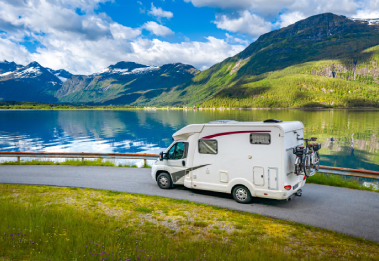
Optional RV coverage
  • Total loss replacement
  • Towing and roadside assistance

  • Medical payments

  • Custom equipment and personal effects

  • Vacation liability RV insurance offers liability insurance if someone is injured in or near your RV when you are parked rather.

  • Emergency expense coverage in the event that your RV is unusable because of a covered incident.

How Much Is RV Insurance?

Another frequent question, “Is RV insurance expensive?” has an answer that depends on various factors. RV insurance rates are based on:

Classes of RV’s:

  • Class A /motorhomes are the largest at up to 75 feet long, boast the most features, and are the most expensive.

  • Class B /campervans are smaller and easier to maneuver than Class A types and typically have a raised roof.

  • Class C / mini-motorhomes or cabovers provide a mid-range option between Class A and Class B.

Embrace your wanderlust, confident in the safety and security that your RV insurance provides. Contact Tom Needham Insurance Agency for a personalized RV insurance quote.

Frequently asked questions

Auto insurance does not automatically provide complete protection for a recreational vehicle. In North Carolina, motorized RVs typically require their own insurance policy to meet state liability requirements. Travel trailers and fifth wheels may receive limited liability protection through the towing vehicle, but damage to the RV itself usually requires separate coverage. An RV insurance policy can help cover collision damage, theft, weather-related losses, liability claims, and uninsured motorist incidents.

RV insurance can include liability coverage, collision coverage, comprehensive coverage, uninsured and underinsured motorist protection, medical payments coverage, and personal belongings coverage. Depending on the policy, coverage may also extend to emergency expenses, roadside assistance, vacation liability, and replacement cost protection. Coverage options vary based on the type of RV, its value, and how frequently it is used.

RV insurance costs depend on factors such as the RV’s class, age, value, location, driving history, annual mileage, storage conditions, and selected coverage limits. A Class A motorhome generally costs more to insure than a smaller travel trailer because replacement and repair expenses are typically higher. Comparing quotes from multiple insurance carriers can help identify the most suitable coverage and pricing options.

Recreational RV insurance is designed for people who use their RV for vacations, weekend trips, or seasonal travel. Full-time RV insurance is intended for individuals who live in their RV for most of the year. Full-time policies often include additional protections similar to homeowners insurance, such as personal liability coverage, emergency living expenses, and broader protection for personal belongings.

North Carolina insurance requirements generally apply to motorized RVs. Travel trailers and fifth wheels may receive liability coverage from the towing vehicle while connected. However, damage to the trailer from accidents, theft, fire, hail, vandalism, or other covered events typically requires a separate RV insurance policy. Many owners choose additional coverage to protect their investment and personal property.

Insurance companies evaluate several risk factors when determining RV insurance premiums. These include the RV’s class, age, value, usage, storage location, driving history, claims history, coverage selections, deductible amount, and annual travel distance. Newer and higher-value motorhomes often carry higher premiums because repair and replacement costs are greater.

Many RV insurance policies offer coverage for personal belongings stored inside the vehicle. This may include electronics, camping equipment, clothing, tools, and other personal items damaged or lost due to covered events such as theft, fire, or severe weather. Coverage limits vary by policy, making it important to review available options and exclusions.

Many insurers offer optional roadside assistance coverage for RV owners. This coverage may help with towing, flat tires, battery service, fuel delivery, lockout assistance, and emergency mechanical breakdowns. Because RVs often require specialized towing equipment, adding roadside assistance coverage can help reduce unexpected travel expenses.

Many insurance carriers offer replacement cost or total loss replacement coverage for eligible RVs. If a covered loss results in a total loss, this coverage may help replace the RV with a new model or provide compensation based on policy terms. Eligibility requirements vary by insurer and often depend on the age and condition of the recreational vehicle at the time the policy is purchased.

Call us now at 336-855-1223 or contact us for a professional liability insurance quote online and one of our agents will be in touch with you shortly.  

Tom Needham Insurance Agency – Offering You Better Prices and the Best in Service!