Buying auto insurance in North Carolina is not just a box to check at the DMV. It is a financial decision that affects what happens after a crash, a theft, or even a hailstorm. State law sets a minimum, but the legal minimum is not always the amount that makes sense for your life.
In North Carolina, every auto insurance policy must include liability coverage and uninsured or underinsured motorist protection, and minimum limits rose for policies issued or renewed on or after July 1, 2025.
What coverage does North Carolina require?
North Carolina requires continuous liability insurance from a company licensed to do business in the state. For policies issued or renewed on or after July 1, 2025, the minimum limits are:
- $50,000 for bodily injury to one person
- $100,000 for bodily injury per accident
- $50,000 for property damage per accident
- Uninsured and underinsured motorist coverage as part of the policy
That means the state expects your insurance to pay for injuries or property damage you cause to others, while also giving you protection if the at-fault driver has too little coverage or none at all. Driving without continuous liability coverage can trigger penalties and plate revocation, so the minimum is not optional.
What each type of coverage actually does
This is where many shoppers get tripped up. Different parts of the policy protect different risks.
- Liability coverage pays when you injure someone else or damage their property, and you are legally responsible. It does not repair your own car.
- Uninsured motorist coverage helps when the at-fault driver has no insurance. In North Carolina, it can also include property damage protection.
- Underinsured motorist coverage applies when the other driver’s liability limits are too low to cover the injuries involved. In North Carolina, this protection applies to bodily injury, not damage to your vehicle.
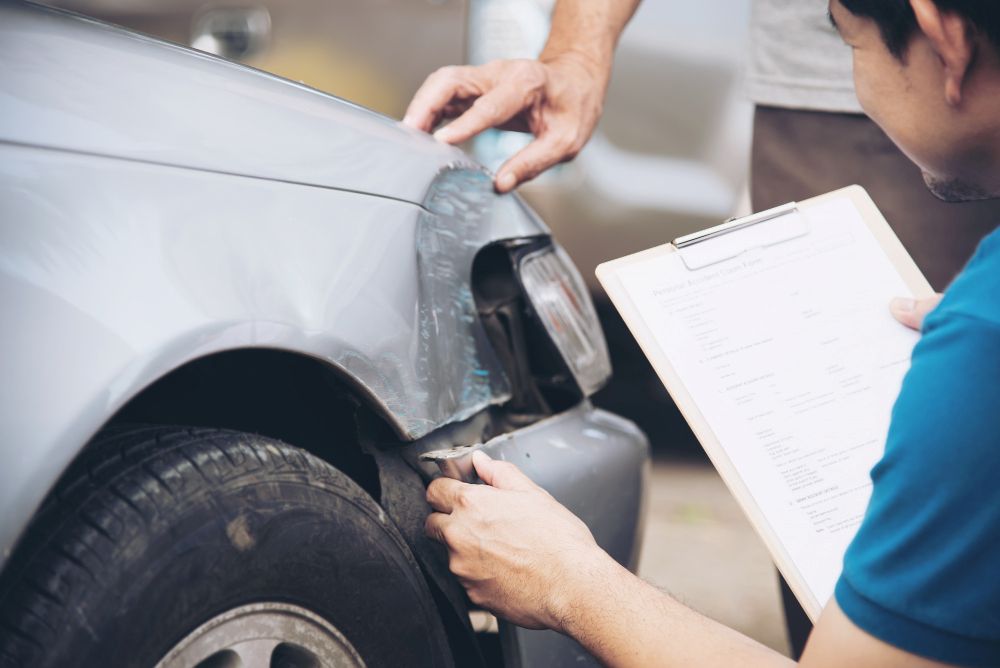
- Collision coverage pays for damage to your own car after an impact with another vehicle or object, up to the lesser of repair cost or actual cash value.
- Comprehensive coverage covers non-collision losses such as theft, fire, hail, flood, vandalism, falling objects, and animal strikes.
- Medical payments coverage is optional and can help with medical and funeral expenses after an accident.
- Extras like rental reimbursement or towing can be added if you want help with transportation or roadside costs.
Do you need physical damage coverage?
Not by law. In everyday use, “full coverage” usually means the required liability and uninsured or underinsured protection, plus collision and comprehensive coverage. If your car is financed or leased, your lender will usually require those added protections.
Even when no lender is involved, physical damage often makes sense if your vehicle still has solid market value or if paying for a replacement would strain your budget.
There are also times when carrying only the state minimum may leave you exposed. A newer SUV, a repair bill after a deer strike, or a chain-reaction crash can blow past low limits fast.
On the other hand, if you drive an older car with modest value, collision and comprehensive may cost more over time than the car is worth. In that case, many drivers keep stronger liability limits but skip damage coverage on the vehicle itself. That is usually a better way to think about your protection in North Carolina: not the lowest premium, but the best fit between risk and value.
How much coverage do most drivers really need?
For general readers, a practical approach looks like this:
- Start with the legal minimum as a floor, not a target. Medical costs and repair bills can exceed 50/100/50 faster than many people expect.
- Raise liability limits if you have savings, a home, or wages to protect. Higher limits can help shield your finances after a serious accident.
- Keep collision and comprehensive on vehicles you could not easily replace.
- Review deductibles carefully. A lower premium may come with a deductible that feels painful at claim time.
- Consider medical payments, rental reimbursement, or towing only if they solve a real problem for you.
North Carolina drivers should also remember that driving history affects cost. Under the state’s Safe Driver Incentive Plan, at-fault accidents and traffic convictions can lead to premium increases, and the surcharge schedule can be steep. Shopping around is smart, but keeping a clean record often matters just as much.
For a broader look at local pricing, coverage choices, and smart ways to cut costs, read our guide, Car Insurance in Greensboro NC: Coverage, Rates & How to Stop Overpaying in 2026.
How to compare policies online without getting fooled by price
Online quote tools are useful, but they only help if you compare the same coverage each time. Before you buy a policy online in North Carolina, line up these details side by side:
- Liability limits
- Deductibles
- Collision and comprehensive selections
- Uninsured and underinsured motorist limits
- Optional extras
- Claims reputation and service
A lower quote may simply reflect lower limits or missing coverage. Read the summary page, not just the monthly payment. That is the easiest way to compare car insurance quotes online without mistaking a smaller policy for a better deal.
Frequently Asked Questions:
What is the minimum car insurance required in North Carolina?
For policies issued or renewed on or after July 1, 2025, the state minimum is 50/100/50 for liability, plus uninsured and underinsured motorist coverage. Drivers must keep continuous liability insurance with a company licensed in North Carolina.
Is physical damage coverage required by law?
No. State law requires liability and uninsured or underinsured motorist protection. Collision and comprehensive are optional unless a lender or leasing company requires them.
When is physical damage coverage worth it?
It is often worth keeping on newer cars, financed vehicles, and any car you could not afford to replace after a major loss. For older cars with low market value, it may be less useful.
Can I buy a policy entirely online?
Yes, many insurers let drivers get quotes, choose limits, and purchase coverage online. The key is reviewing the details before paying.
What is the smartest way to lower my premium?
Compare matching quotes, adjust deductibles carefully, drop extras you do not need, and protect your driving record. In North Carolina, SDIP points from violations or at-fault crashes can raise rates.
The best policy is usually not the bare minimum and not the most expensive option on the page. It is the one that fits your car, your budget, and your risk. For most North Carolina drivers, that means using the state minimum as a starting point, then deciding whether stronger liability limits and broader vehicle protection make better financial sense.
Get a North Carolina auto insurance review that fits your car, budget, and driving habits instead of settling for a one-size-fits-all policy. Reach out to Tom Needham Insurance to compare your options and find coverage that makes sense before you buy.